

Original price was: £209.00.£96.99Current price is: £96.99.
- Fast reliable delivery options
- Shop with Ease
- Hassle-Free Payments
- Online assistance, always just a message away.

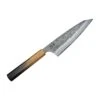
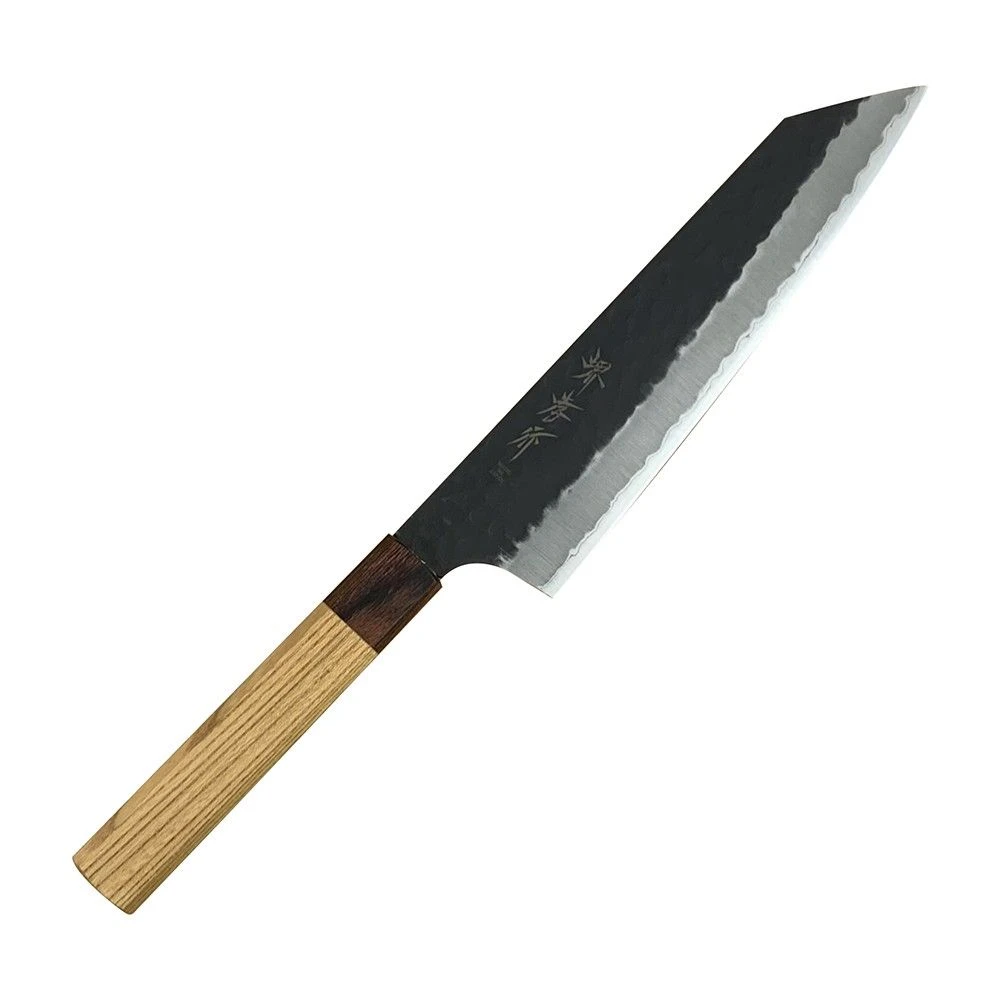
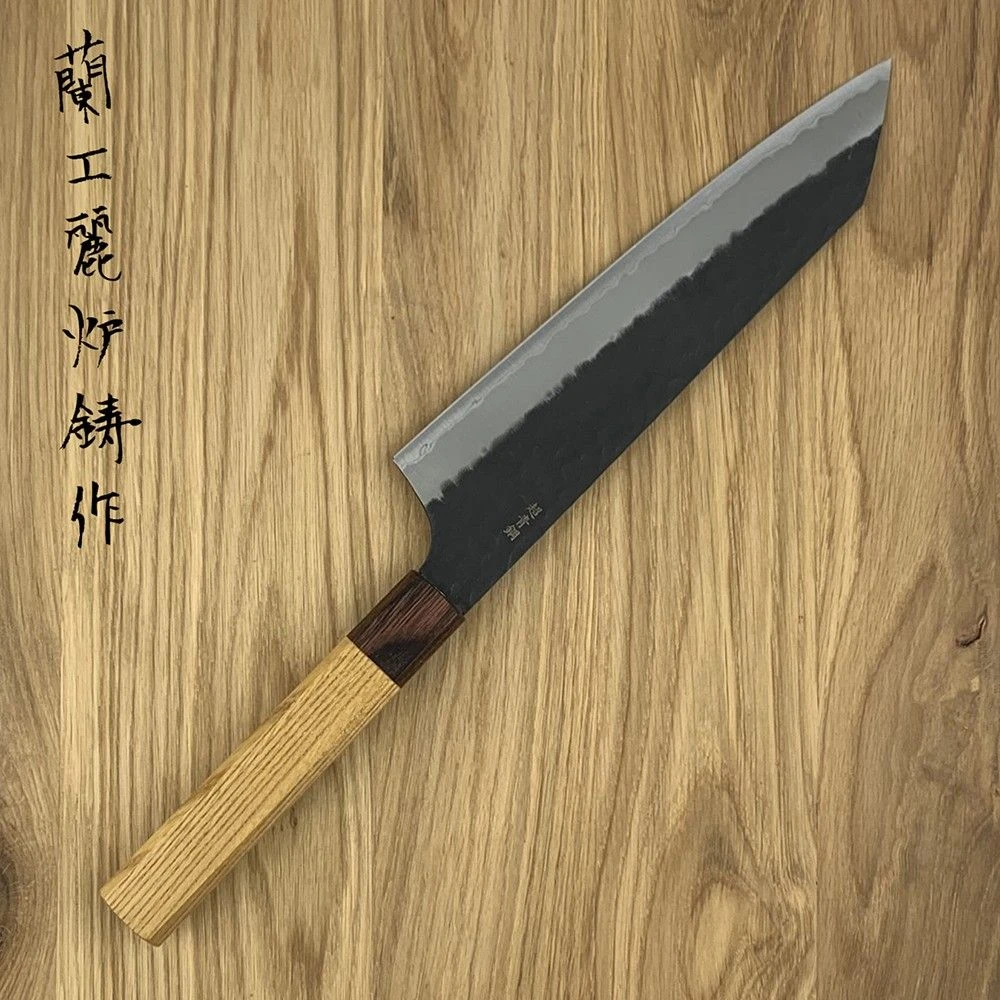
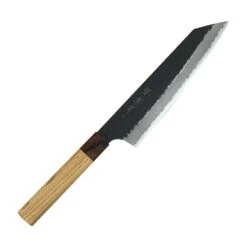
The Sakai Takayuki Aogami Super Kurouchi Hammered range has 3 layers of hammered stainless warikomi damascus steel with a kurouchi finish. A classic Japanese WA handle made from Zelkova (Japanese elm), big enough for Western hands and ideal for its weight. The blade has been rounded at the choil, close to the ferrule, this enhances the comfort while using the knife for a longer period.
The blade is made up of 2 layers of softer stainless steel on the outside of the blade, combined with a core of aogami super steel. The outer layer is hammered (Tsuchime) and ensures less contact with the product during cutting.
Kurouchi is not a type of knife but rather a traditional, rustic finish. Kurouchi roughly translates as blacksmith’s finish. Kurouchi knives retain the scaly residue left from the forging process. The finish reduces reactivity on carbon steel knives, lowers the cost of production, and gives the knife a very characterful, rustic look prized by many knife enthusiasts.
This traditional steel is not named after its colour, but named after the colour of its paper wrapping, in which it is stored in the Hitachi steel factory in Japan. Aogami super has added extra tungsten. Aogami super is sharp and tough. Blue steels are mostly seen in deba or usuba knives, white steels often in yanagibas. Aogami super is regarded as one of the best traditional steels by Japanese knifemakers, but difficult to work with. Blue steels are difficult to sharpen on a whetstone, but they remain sharp for a longer period, compared to white steels.
- Gyuto Knife
- 190mm
- 3 Layers Hammered
- Aogami blue super
- Japanese WA Handle Zelkova with Spanish mahogany
- For left- and right handed use
The Sakai Takayuki Aogami Super Kurouchi Hammered WA Japanese 190mm Gyuto Knife is an adaptation of the western slicing or carving knife profile for the Japanese market. However unlike a Western Cooks knife that is predominantly meant only for meat, its versatility is the same a santoku and can be used as a general-purpose knife for any task. Many would consider a Gyuto to be essential knife for cook with all other knives being secondary. Compared to a Western style chef’s knife, a Gyuto has a somewhat flatter profile: this profile lends itself well to push-cutting which is common for Japanese chefs, as opposed to rock-chopping.
| Fulfilment Date | Delivery 6-8 weeks |
|---|---|
| Shipping Type | Standard |
| Promotion | No |
| Handle Material | Japanese WA HaZelkova with Spanish Mahogany |
| Right or Left Handed | Symmetrical |
| Type Of Steel | Aogami Blue Super |
| Dishwasher Safe | No |
Be the first to review “Sakai Takayuki Aogami Super Kurouchi Hammered WA Japanese 190mm Gyuto Knife”
Related products


Carving Knives
Fish Knives
Knives by Type

Knives by Type

Chef's / Cooks Knives
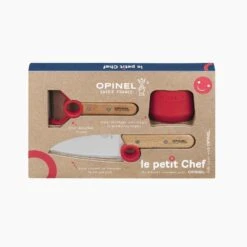
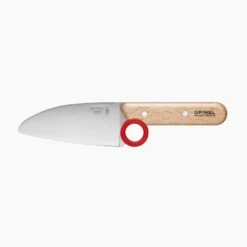
Kid's Knives
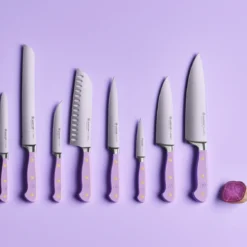

Knives by Type
Reviews
There are no reviews yet.